In a world rapidly shaped by globalization, communities like the Ciulioneros stand as a powerful reminder of the beauty of cultural identity. The Ciulioneros are more than just a group—they represent a living, evolving tradition rooted in heritage, expression, and shared values.
Understanding the Ciulioneros offers insight into how culture survives, adapts, and thrives across generations. Their story is one of resilience, creativity, and a deep connection to both past and present.
Who Are the Ciulioneros?
The term Ciulioneros refers to a distinct cultural group known for preserving unique traditions while embracing modern influences. Though interpretations of their origins may vary, the Ciulioneros are widely recognized for their strong communal bonds and expressive cultural practices.
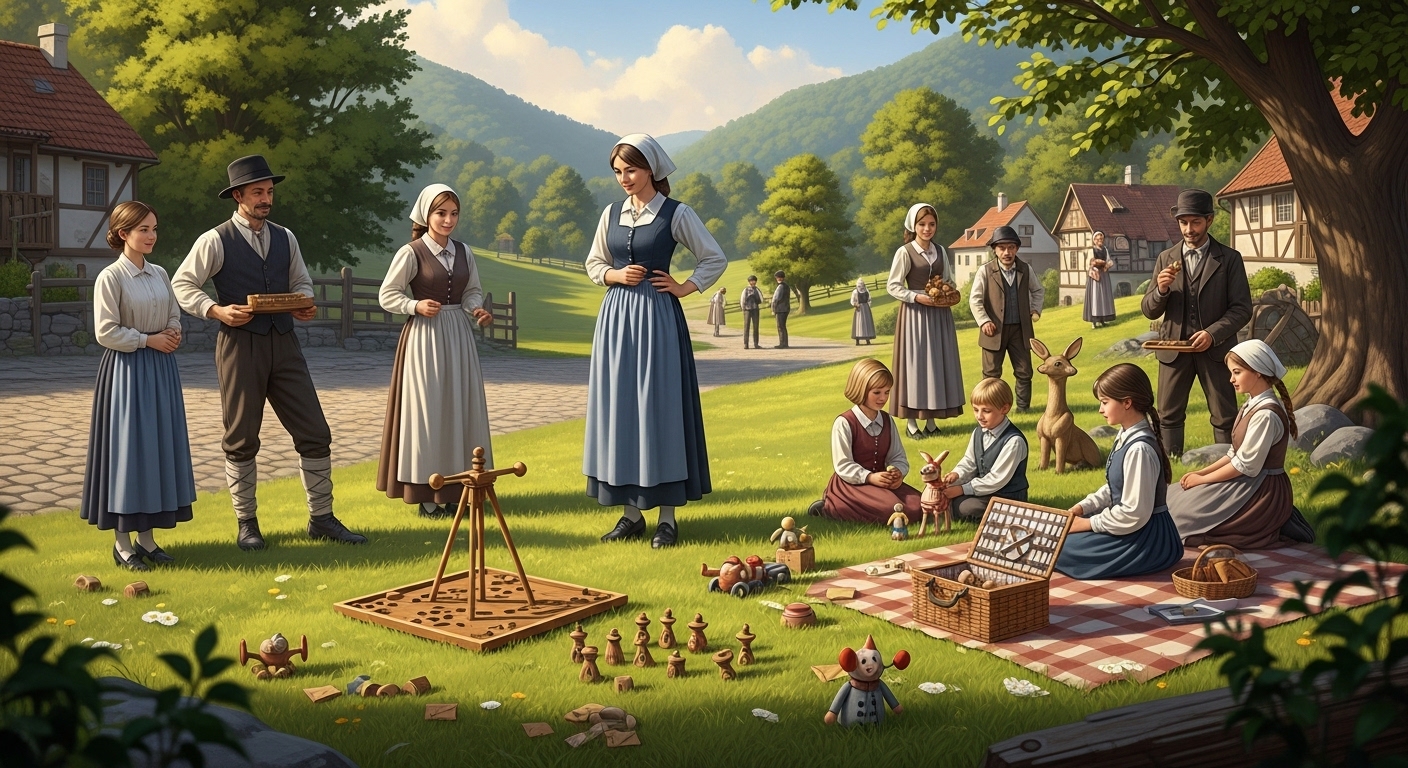
At their core, the Ciulioneros embody a blend of identity and artistry. Their lifestyle reflects a balance between tradition and innovation, making them both guardians of history and contributors to contemporary culture. Their community structure emphasizes unity. Family, storytelling, and shared rituals form the backbone of their social life, ensuring that knowledge and values are passed down organically.
The Cultural Roots of Ciulioneros
Tradition as a Living Legacy
For the Ciulioneros, tradition is not static—it evolves. Cultural practices are preserved not by strict adherence, but by meaningful adaptation. This approach allows traditions to stay relevant in modern contexts.
Rituals often revolve around seasonal changes, life milestones, and community gatherings. These events serve as opportunities to reconnect with heritage while strengthening interpersonal ties.
Language and Expression
Language plays a crucial role in shaping Ciulioneros identity. Whether through spoken dialects, songs, or symbolic expressions, communication is deeply tied to cultural pride.
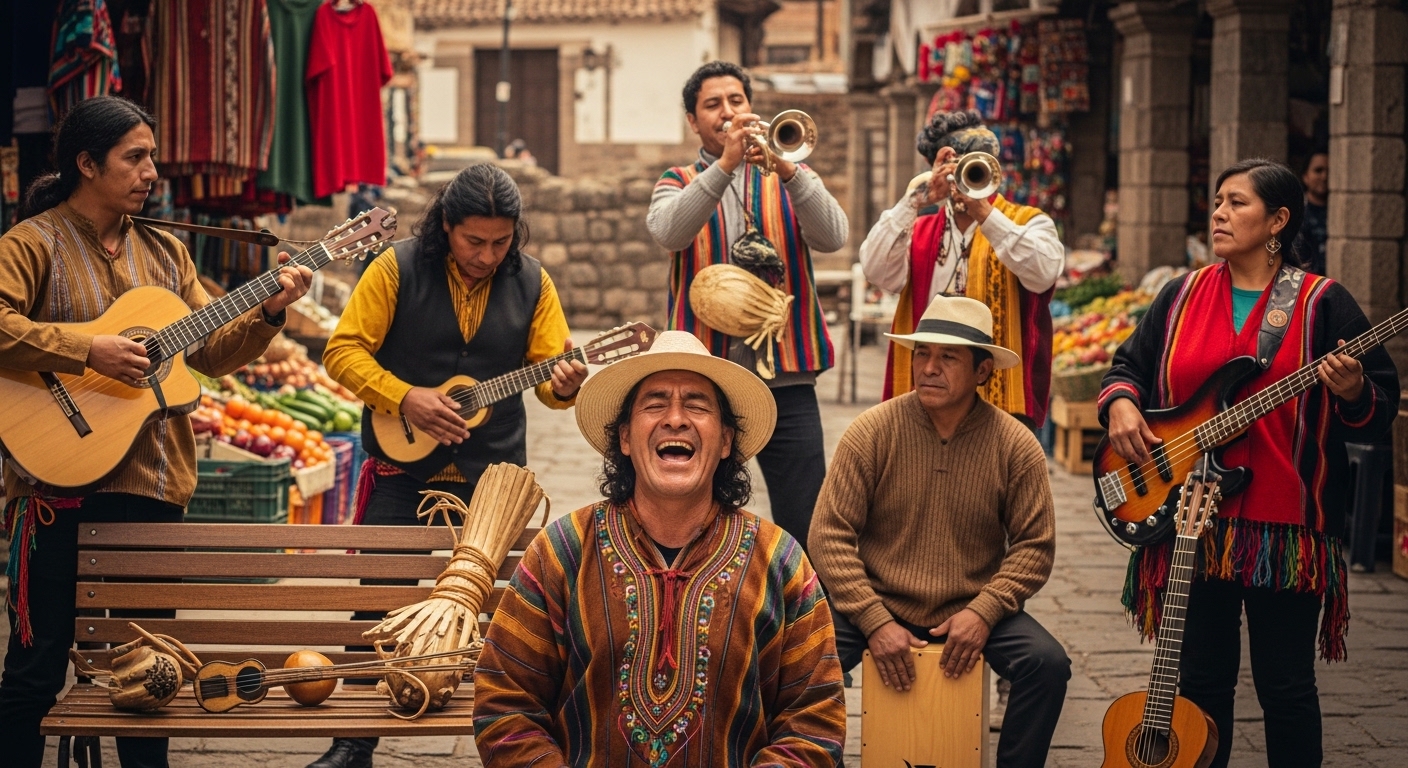
Music and storytelling are especially significant. Stories are not merely entertainment; they function as educational tools, carrying lessons about morality, history, and social values.
Ciulioneros Traditions in Daily Life
Art, Music, and Creativity
Creativity lies at the heart of Ciulioneros culture. Artistic expression is not limited to professionals—everyone participates in some form.
Music, for example, often blends traditional rhythms with modern influences. Instruments may be handcrafted, adding a personal touch to performances.
Visual art also plays a major role. Patterns, colors, and symbols are used to represent identity, history, and beliefs.
Food and Culinary Practices
Cuisine is another cornerstone of Ciulioneros life. Meals are often communal, reinforcing the importance of togetherness.
Below is a simple overview of how food contributes to their culture:
| Aspect | Description |
|---|---|
| Ingredients | Locally sourced, seasonal, and natural |
| Cooking Style | Traditional methods combined with modern techniques |
| Social Role | Meals bring families and communities together |
| Symbolism | Certain dishes represent celebrations or rituals |
Food is not just nourishment—it’s a cultural statement.
Modern Influence on Ciulioneros Culture
Adapting Without Losing Identity
Like many cultural groups, the Ciulioneros face the challenge of modernization. Technology, urbanization, and global trends influence their way of life.
However, instead of resisting change, they integrate it thoughtfully. Digital platforms are now used to share traditions, connect with diaspora communities, and preserve cultural knowledge.
Youth and Cultural Continuity
The younger generation plays a critical role in keeping Ciulioneros traditions alive. While they may adopt modern lifestyles, many remain deeply connected to their roots.
This balance ensures that the culture does not fade but evolves. Young Ciulioneros often reinterpret traditions, making them accessible and relevant to new audiences.
Why Ciulioneros Culture Matters Today
A Lesson in Cultural Sustainability
The Ciulioneros provide a valuable example of how cultures can remain vibrant in a fast-changing world. Their approach demonstrates that preservation does not require isolation.
Instead, it requires intention—an active effort to honor the past while embracing the future.
Inspiration for Global Communities
In an era where cultural homogenization is common, the Ciulioneros remind us of the importance of diversity. Their traditions inspire others to reconnect with their own heritage.
Communities worldwide can learn from their model:
- Celebrate identity without excluding others
- Adapt traditions thoughtfully
- Value storytelling and shared experiences
Key Characteristics of Ciulioneros Culture
To better understand the Ciulioeros, here’s a concise breakdown of their defining traits:
| Feature | Explanation |
|---|---|
| Strong Community | Emphasis on family and collective identity |
| Cultural Expression | Music, art, and storytelling are central |
| Adaptability | Traditions evolve with time |
| Symbolism | Everyday practices carry deeper meanings |
| Intergenerational Learning | Knowledge is passed through lived experiences |
These elements work together to create a rich and dynamic cultural framework.
Challenges Facing the Ciulioneros
Despite their strengths, the Ciulioneros are not immune to challenges.
Globalization can dilute cultural identity, especially when younger generations are exposed to dominant global trends. Economic pressures may also force communities to prioritize survival over tradition.
Additionally, the risk of cultural misrepresentation exists. As interest in unique cultures grows, there is a tendency for oversimplification or commercialization.
Addressing these challenges requires awareness, education, and community effort.
How to Appreciate and Support Ciulioneros Culture
Understanding the Ciulioneros goes beyond observation—it involves respect and engagement.
Here are a few practical ways to appreciate their culture:
Learn Before You Engage
Take time to understand the history and meaning behind traditions. This prevents misunderstanding and promotes genuine appreciation.
Support Authentic Voices
Encourage and amplify voices from within the community. Authentic representation is key to preserving cultural integrity.
Avoid Stereotyping
Recognize the diversity within the culture. No single narrative can fully capture the complexity of the Ciulioneros.
Promote Cultural Exchange
Healthy exchange fosters mutual understanding. Sharing traditions in respectful ways helps build global connections.
Conclusion
The story of the Ciulioneros is one of balance—between tradition and change, individuality and community, history and innovation. Their culture serves as a powerful reminder that identity is not something fixed; it is something lived, shaped, and shared.
In a rapidly evolving world, the Ciulioneros stand as a testament to the enduring strength of cultural heritage. Their ability to adapt without losing their essence offers valuable lessons for societies everywhere. As we continue to navigate globalization, the inspire us to hold onto what matters most—our stories, our connections, and our shared humanity.