The natural world is full of creatures that surprise us, but few are as visually striking and scientifically intriguing as chameleónovité. These remarkable reptiles, commonly known as chameleons, have fascinated humans for centuries due to their ability to change color, their unusual eyes, and their slow, deliberate movements that seem almost mystical in nature.
When we talk about chameleónovité, we are referring to a diverse family of lizards that have adapted in extraordinary ways to survive in forests, deserts, and tropical environments. Their presence in ecosystems is not only visually captivating but also biologically significant, as they play a crucial role in maintaining ecological balance.
In this article, we will explore the world of chameleónovité in depth, from their evolution and biology to their behavior, habitat, and future survival challenges. Understanding these creatures offers a deeper appreciation of nature’s ability to innovate and adapt.
What Are Chameleónovité?
The term chameleónovité refers to the scientific family Chamaeleonidae, a group of reptiles known for their unique physiological traits. These lizards are primarily found in Africa, Madagascar, southern Europe, and parts of Asia. Their defining characteristics include independently moving eyes, specialized feet for gripping branches, and a prehensile tail that acts like a fifth limb.
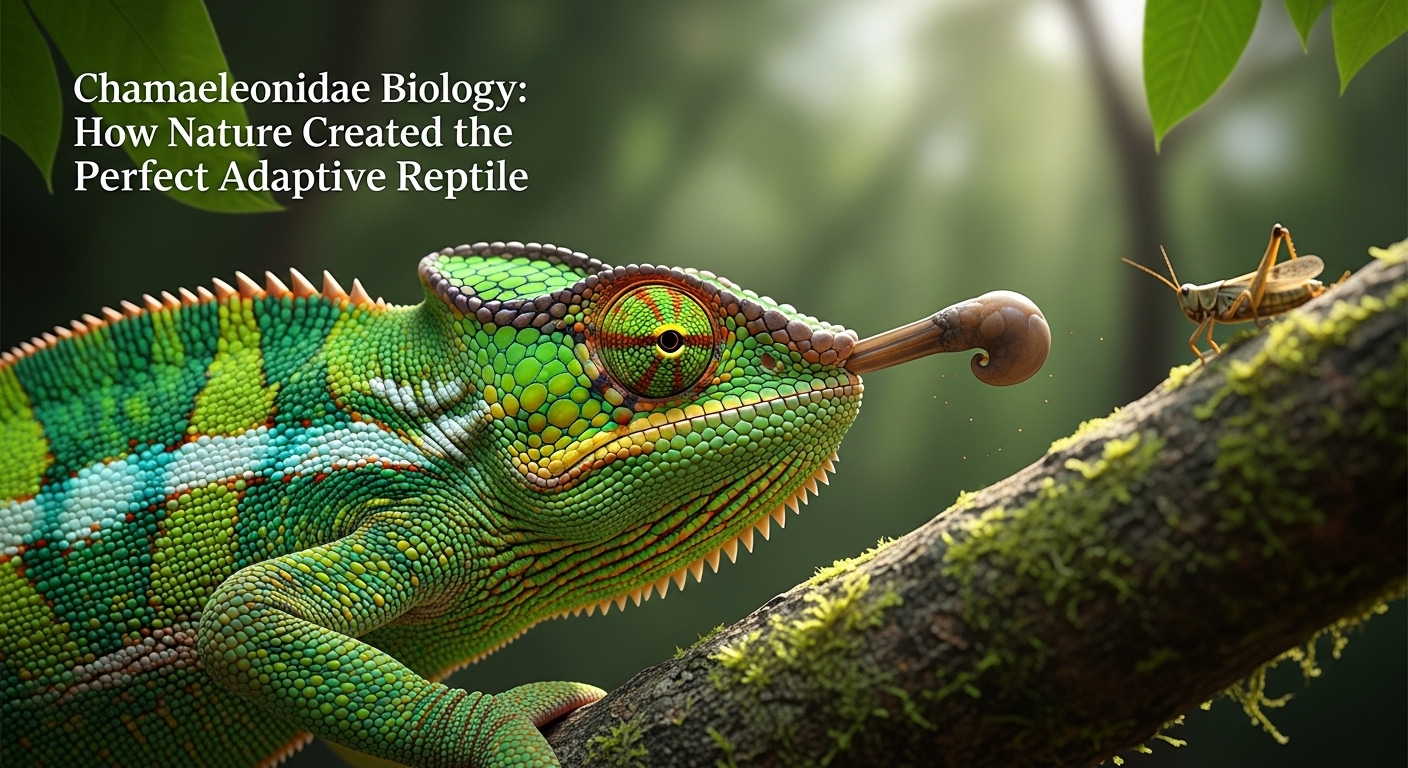
Unlike many reptiles, chameleónovité are highly specialized hunters. They rely on stealth and precision rather than speed or strength. Their long, sticky tongues can extend rapidly to capture insects from a distance, making them highly efficient predators in their environments.
Over time, chameleónovité have evolved into more than 200 species, each adapted to specific ecological niches. This diversity makes them one of the most evolutionarily successful reptile families in terms of specialization.
Evolution and Origins of Chameleónovité
The evolutionary history of chameleónovité is both complex and fascinating. Scientists believe that these reptiles diverged from other lizard groups millions of years ago, gradually developing their unique anatomical features as they adapted to arboreal life.
Fossil evidence suggests that early chameleon-like species existed in regions that are now part of Europe and Africa. Over time, shifting climates and continental drift contributed to their migration and diversification, particularly in Madagascar, which is now considered a biodiversity hotspot for chameleónovité.
Their evolution is a perfect example of adaptive radiation, where a single ancestral species evolves into multiple forms to occupy different ecological roles. This process explains the wide variety of shapes, sizes, and behaviors seen in modern chameleónovité.
Unique Anatomy of Chameleónovité
One of the most remarkable aspects of chameleónovité is their highly specialized anatomy. Their bodies are designed for life in trees, with adaptations that allow them to move slowly but with exceptional control and balance.
Their eyes are among the most unique in the animal kingdom. Each eye can rotate independently, giving them nearly 360-degree vision. This allows chameleónovité to observe predators and prey simultaneously without moving their heads.
Their feet are also highly specialized, with toes grouped into opposing bundles that function like pincers. This structure provides a strong grip on branches, enabling them to navigate complex arboreal environments with ease.
The Mystery of Color Change in Chameleónovité
Perhaps the most famous trait of chameleónovité is their ability to change color. While many people believe this is purely for camouflage, the reality is far more complex and scientifically fascinating.
Color change in chameleónovité is primarily controlled by specialized skin cells called chromatophores and iridophores. These cells manipulate light reflection and pigment distribution, allowing the animal to shift colors based on mood, temperature, communication, and environmental conditions.
For example, a chameleon may display brighter colors when excited or during territorial disputes, while darker tones may indicate stress or cooling regulation. This sophisticated system demonstrates how chameleónovité use color as a form of communication rather than just disguise.
Habitat and Distribution of Chameleónovité
Chameleónovité are most commonly found in tropical and subtropical regions, where dense vegetation provides both food and protection. Madagascar alone hosts a significant portion of the world’s chameleon species, making it a critical region for their survival.
These reptiles prefer environments such as rainforests, savannas, and shrublands. Their arboreal nature means they spend most of their lives in trees and bushes, rarely descending to the ground unless necessary.
The distribution of chameleónovité is closely tied to climate and vegetation density. As deforestation continues to reshape natural landscapes, their habitats are becoming increasingly fragmented, posing a serious threat to their long-term survival.
Diet and Hunting Techniques of Chameleónovité
Chameleónovité are primarily insectivores, feeding on a variety of insects such as crickets, grasshoppers, and flies. Some larger species may also consume small birds or reptiles when the opportunity arises.
Their hunting technique is one of the most efficient in the reptile world. They remain motionless for long periods, carefully observing their surroundings before striking with lightning-fast tongue projection. The tongue can extend longer than the chameleon’s body in some species, allowing them to capture prey from a surprising distance.
This method of hunting conserves energy and minimizes movement, which is essential for survival in environments where both predators and prey are highly sensitive to motion.
Behavior and Communication in Chameleónovité
Behaviorally, chameleónovité are solitary creatures. They prefer to live and hunt alone, only interacting with others during mating seasons or territorial disputes.
Communication among is primarily visual. Color changes, body posture, and subtle movements convey messages such as aggression, submission, or readiness to mate. These signals are crucial for avoiding unnecessary conflict in densely populated habitats.
Their slow and deliberate movement is another behavioral adaptation. By minimizing sudden motion, chameleónovité reduce the risk of detection by predators while maintaining precise control over their environment.
Reproduction and Life Cycle of Chameleónovité
The reproductive strategies of chameleónovité vary across species, but most are oviparous, meaning they lay eggs. Females typically deposit their eggs in hidden locations such as soil or leaf litter, where they incubate for several months.
Once hatched, young chameleónovité are fully independent. They receive no parental care and must immediately begin surviving on their own. This early independence is crucial in environments where resources are limited and predation risks are high.
The life cycle of reflects their adaptability and resilience, allowing them to thrive in diverse ecological conditions despite environmental challenges.
Diversity Within Chameleónovité Species
The family chameleónovité includes an impressive range of species, each adapted to different environments and lifestyles. Some are small and delicate, blending seamlessly into forest foliage, while others are larger and more robust, capable of surviving in harsher climates.
Madagascar is particularly rich in species diversity, hosting some of the most colorful and unusual chameleons in the world. This diversity is a result of long-term isolation and evolutionary specialization.
The variation within chameleónovité demonstrates the power of natural selection in shaping life forms that are perfectly suited to their environments.
Ecological Importance of Chameleónovité
Chameleónovité play an essential role in maintaining ecological balance. As insectivores, they help regulate insect populations, preventing outbreaks that could damage vegetation and crops.
They also serve as prey for larger animals, making them an integral part of the food chain. Their presence indicates a healthy ecosystem, as they are sensitive to environmental changes and habitat degradation.
By studying chameleónovité, scientists gain valuable insights into ecosystem health and biodiversity trends, making them important biological indicators.
Threats and Conservation Challenges
Despite their adaptability, chameleónovité face significant threats in the modern world. Habitat destruction due to deforestation and agricultural expansion is one of the most pressing issues affecting their survival.
Illegal wildlife trade also poses a serious risk, as many species are captured and sold as exotic pets. This practice not only reduces wild populations but also disrupts natural breeding cycles.
Climate change further exacerbates these challenges by altering habitats and affecting food availability, making conservation efforts more critical than ever.
Chameleónovité and Human Interaction
Human fascination with chameleónovité has existed for centuries. Their unique appearance and behavior make them popular in education, research, and the exotic pet trade.
However, keeping as pets requires specialized care and knowledge. Without proper conditions, their health can quickly decline, highlighting the importance of responsible ownership and ethical trade practices.
In scientific research, chameleónovité continue to provide valuable insights into vision, biomechanics, and evolutionary biology, contributing to broader understanding in multiple fields.
Future of Chameleónovité in a Changing World
The future of chameleónovité depends heavily on conservation efforts and environmental awareness. Protected habitats, stricter wildlife trade regulations, and reforestation projects are essential for their survival.
Advances in technology and ecological research are also helping scientists monitor populations more effectively. These tools allow for better understanding of how respond to environmental changes.
If global conservation efforts continue to grow, there is hope that chameleónovité will remain a thriving part of Earth’s biodiversity for generations to come.
Conclusion
The world of chameleónovité is a remarkable example of nature’s creativity and adaptability. From their extraordinary vision and color-changing abilities to their specialized hunting techniques, these reptiles embody evolutionary perfection in many ways.
As we continue to study and understand we also uncover deeper truths about ecosystems, adaptation, and survival. Their existence reminds us of the delicate balance within nature and the importance of preserving it.
In a rapidly changing world, the story of chameleónovité is not just about a unique group of reptiles—it is about resilience, evolution, and the ongoing relationship between humans and the natural world.